
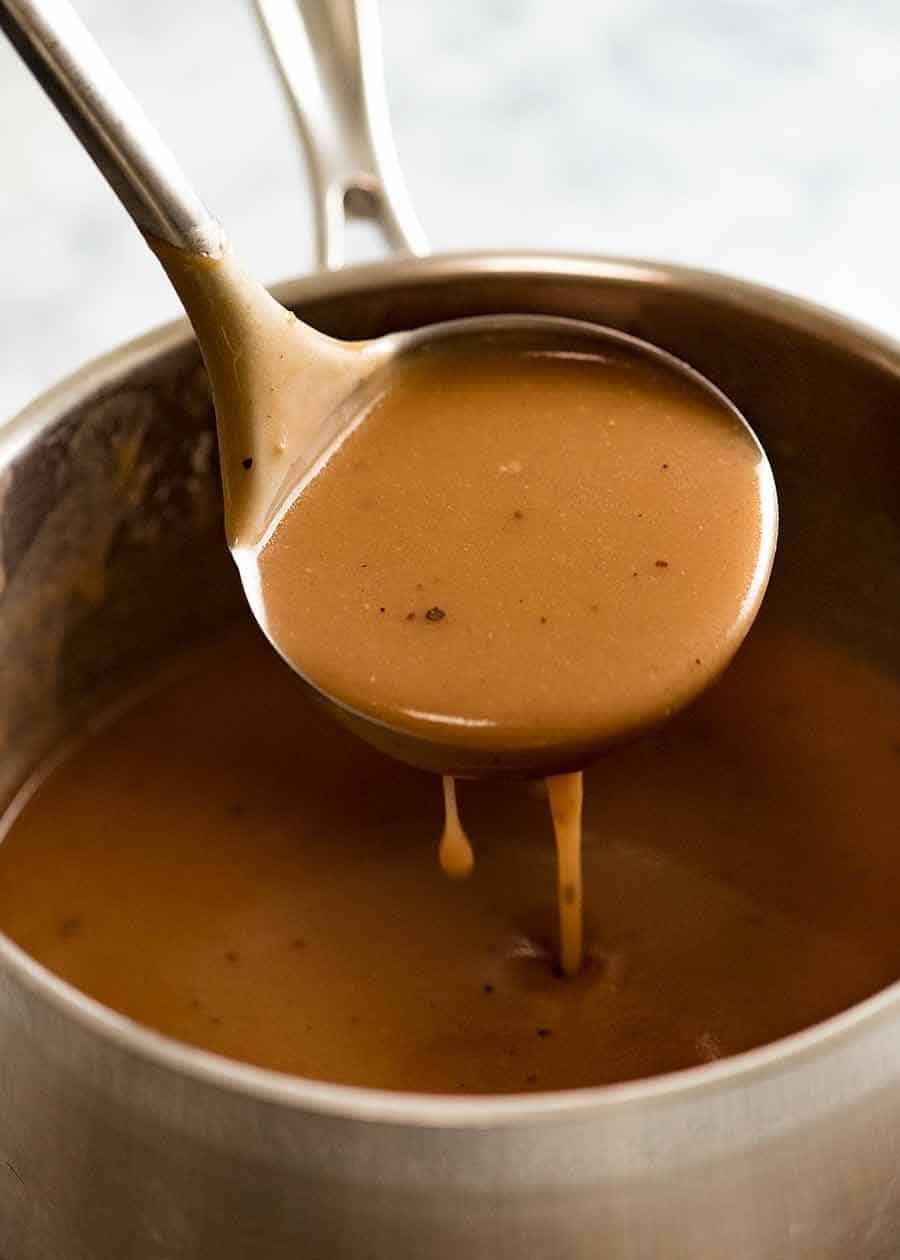
If you’ve ever made a rich gravy, stew, or sauce and decided to use arrowroot powder instead of cornstarch, you may have noticed something surprising the next day. While arrowroot creates a beautiful glossy sauce when it’s freshly made, the texture of leftovers can be very different.
I learned this firsthand while making homemade gravies and sauces. Freshly prepared, arrowroot gives a silky, smooth finish that looks restaurant-quality. But after refrigeration and reheating, the consistency often isn’t quite the same. The sauce may seem thinner, less cohesive, or lose some of the body that cornstarch provides.
So what’s happening?
What Is Arrowroot Powder?
Arrowroot powder is a starch extracted from the roots of tropical plants, primarily the arrowroot plant. It has become popular among home cooks because it is:
- Naturally gluten-free
- Grain-free
- Flavorless
- Easy to digest
- Ideal for clear sauces and fruit fillings
Unlike flour, arrowroot thickens without making sauces cloudy, which is why many people love using it in gravies, glazes, and sauces.
Why Many Cooks Prefer Arrowroot
1. Creates a Beautiful Glossy Finish
Arrowroot gives sauces a shiny, silky appearance that works wonderfully in:
- Stir-fry sauces
- Fruit glazes
- Caribbean-inspired sauces
- Sweet and sour sauces
- Pan gravies
- 2. Thickens Quickly
- A small amount goes a long way. In many recipes, arrowroot thickens faster than flour and can be added near the end of cooking.
- 3. Works Well With Acidic Ingredients
- Many Caribbean recipes contain ingredients like:
- Lime juice
- Lemon juice
- Pineapple
- Tamarind
- Vinegar
- Arrowroot generally handles acidic ingredients better than cornstarch.
The Downside: Leftovers Can Be Different
This is the issue I notice most often.
When using cornstarch, the sauce usually remains fairly stable after refrigeration. The next day, the gravy often reheats with much of its original thickness intact.
Arrowroot behaves differently.
After chilling, arrowroot-thickened sauces may:
- Become thinner when reheated
- Separate slightly
- Lose some body
- Feel more slippery than creamy
- Appear less thick even when warmed properly
- This doesn’t mean the sauce is ruined—it simply means arrowroot starch reacts differently during cooling and reheating.
- Why Cornstarch Holds Up Better
- Cornstarch creates a stronger starch network that tends to remain more stable after refrigeration.
- Think of it this way:
- Arrowroot = silky and elegant
- Cornstarch = sturdy and dependable
- For recipes you know will become leftovers, cornstarch often maintains a thicker consistency after reheating.
- Best Uses for Arrowroot Powder
- Arrowroot shines in:
- Fruit Sauces
- Because it creates a clear finish, it’s excellent for:
- Berry sauces
- Peach glazes
- Pineapple sauces
- Stir-Fry Sauces
- The glossy appearance makes vegetables and meats look beautiful.
- Pan Sauces
- Arrowroot works wonderfully in quick sauces served immediately.
- Tips for Using Arrowroot Successfully
- Always Make a Slurry
- Mix arrowroot with cold water before adding it to hot liquids.
- A good starting ratio is:
- 1 tablespoon arrowroot powder
- 2 tablespoons cold water
- Add It at the End
- Arrowroot doesn’t like prolonged boiling.
- dd the slurry during the final few minutes of cooking.
- Avoid Excessive Reheating
- Repeated reheating can weaken the thickening power and cause the sauce to become thinner.
- Use Slightly More for Leftovers
- If you know you’ll have leftovers, consider thickening the sauce a little more than you normally would.
- Can You Combine Arrowroot and Cornstarch?
- Absolutely.
- Many cooks use a combination of both:
- 50% arrowroot
- 50% cornstarch
- This can provide:
- The glossy finish of arrowroot
- The stability of cornstarch
- Better texture after reheating
- Final Thoughts
- Arrowroot powder is a wonderful thickener that creates silky, glossy sauces and gravies without the heaviness of flour. However, if you’ve noticed that your leftover gravy isn’t quite as thick the next day, you’re not imagining it. Arrowroot simply doesn’t hold its texture through refrigeration and reheating as well as cornstarch.
- For sauces that will be served immediately, arrowroot is often my first choice. For gravies, stews, and meal-prep recipes where leftovers matter, cornstarch usually provides a thicker, more stable consistency.
- The good news? Neither option is right or wrong. Understanding how each behaves allows you to choose the best thickener for the dish you’re making—and for how you plan to enjoy it later.
- Have you noticed a difference between arrowroot and cornstarch in your own cooking? Sometimes the best thickener isn’t just about how the sauce looks today, but how it tastes and feels when you’re enjoying those delicious leftovers tomorrow.